
Florida homeowners are no strangers to severe weather. Between heavy rain, strong winds, tropical storms, and hurricanes, roofs across the state can suffer sudden and unexpected damage. When a roofing emergency happens, acting quickly can help prevent further damage to your home and reduce the overall cost of repairs.
Understanding what steps to take after roof damage can make a stressful situation more manageable. Knowing how to respond immediately—and when to call a professional—can help protect your home, your belongings, and your safety.
Common Causes of Emergency Roof Damage in Florida
Florida’s climate can be especially hard on roofing systems. Frequent storms, high winds, heavy rainfall, and intense sun exposure all place constant stress on roofing materials throughout the year. Over time, this exposure can weaken shingles, flashing, and other components of the roof, making them more vulnerable when severe weather hits. In many cases, roofs that appear to be in good condition can still suffer sudden damage after a strong storm or heavy rainfall event.
Some of the most common causes of emergency roof damage include:
- Hurricane-force winds lifting or tearing shingles
- Heavy rain leading to sudden roof leaks
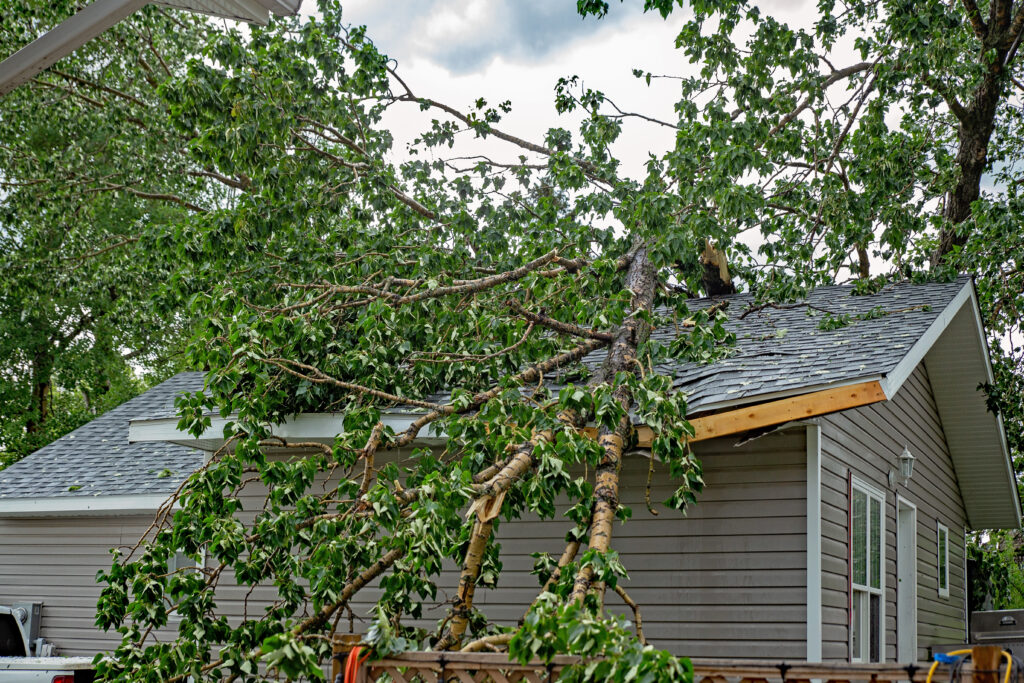
- Fallen tree branches or wind-blown debris during storms
- Damaged flashing around chimneys, vents, or roof penetrations
- Aging roofing materials that have become brittle or worn
- Poor installation or previous repairs that fail during severe weather
Even minor roof damage can quickly turn into a major issue if water begins entering the home. Addressing problems quickly with emergency repairs can help prevent additional structural damage, mold growth, and costly interior repairs.
Signs You May Need Emergency Roof Repair
Roof damage is not always obvious from the outside. In many cases, homeowners first notice signs of trouble inside their homes.
Watch for warning signs such as:
- Water stains on ceilings or walls
- Active leaks during or after a storm
- Missing or lifted shingles
- Pieces of roofing material in your yard
- Sagging areas on the roof
- Mold or musty smells in the attic
If you notice any of these issues, it’s important to have your roof inspected as soon as possible.

What to Do Immediately After Roof Damage
If your roof is damaged during a storm or other event, taking the right steps right away can help limit additional damage. Safety should always be the top priority.
Here are important steps to take after discovering roof damage:
- Stay inside and avoid climbing onto the roof yourself
- Move furniture or valuables away from active leaks
- Place buckets or containers under dripping water
- Take photos of the damage for insurance purposes
- Cover exposed areas with a temporary tarp if it can be done safely
- Contact a licensed roofing contractor for emergency repair
These actions can help protect your home while you wait for professional repairs.
Why Fast Repairs Matter
When roof damage occurs, time is critical. Even small openings in your roof can allow water to enter and cause damage to insulation, drywall, electrical systems, and structural components.
Delaying repairs can lead to problems such as:
- Interior water damage
- Mold and mildew growth
- Rotting roof decking or framing
- Higher long-term repair costs
Emergency repairs help stabilize the roof and prevent the damage from spreading.
How Roofing Contractors Handle Emergency Repairs
Professional roofing companies are trained to quickly assess and stabilize damaged roofs. Emergency repair services are designed to prevent further damage until permanent repairs or replacement can be completed.
A roofing contractor will typically:
- Inspect the roof to identify all damaged areas
- Install emergency tarping or temporary coverings
- Remove loose or dangerous materials
- Seal exposed sections to prevent additional water intrusion
- Provide recommendations for permanent repairs
Having a professional handle emergency repairs ensures the work is done safely and effectively.
Preparing for Storm Season
While roofing emergencies cannot always be avoided, homeowners can take steps to reduce the risk of major damage before storm season arrives.
Preventative measures include:
- Scheduling regular roof inspections
- Repairing loose or damaged shingles
- Keeping gutters and drains clear
- Trimming tree branches near the roof
- Checking attic ventilation and moisture levels
Regular maintenance helps identify potential problems before severe weather makes them worse.
Protect Your Home with Professional Emergency Roof Repair
When disaster strikes, quick action can make a major difference in protecting your home. Emergency roof repairs help stabilize damaged areas, prevent water intrusion, and give homeowners peace of mind during stressful situations.If your roof has been damaged by a storm or sudden event, contacting a trusted roofing professional as soon as possible can help prevent further damage and restore the safety of your home. A professional inspection can identify hidden damage and determine the best next steps for repair. Schedule your free inspection today to have your roof evaluated and get expert guidance on the safest and most effective solution for your home.