

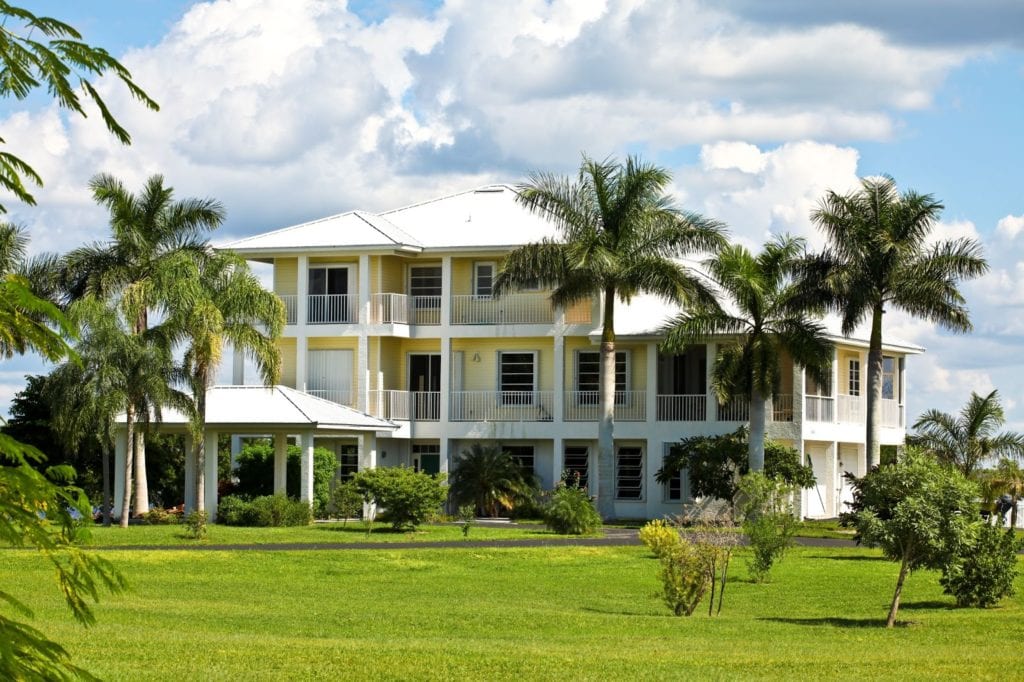
Salt air can quietly erase 5 to 10 years from your roof’s lifespan if you live near the water in St Augustine. If you do not build roof maintenance in St Augustine into your routine, the ocean will eventually win. For homeowners in St Augustine, Ponte Vedra, and Jacksonville Beach, understanding how salt air attacks your roof—and knowing what maintenance steps you can take—can mean the difference between a roof that lasts decades and one that needs early replacement.
Why Salt Air Is Tough On Coastal Florida Roofs
If you live in St Augustine or anywhere along the Northeast Florida coast, salt air is an unavoidable part of your home’s environment. What makes it such a challenge for roof maintenance in St Augustine?
What Salt Air Actually Does To Roofing Materials
Salt air, sometimes called salt spray, is simply moist ocean air filled with microscopic salt particles. These particles are carried inland by the wind, often several miles from the shoreline, settling on every surface—including your roof.
Once salt lands on your roof, it begins a chemical process called corrosion. For metal components such as fasteners, flashing, and gutters, salt dramatically accelerates the formation of rust and other corrosion products. This weakens the metal, leading to leaks and structural failures much earlier than on an inland roof.
For asphalt shingles, salt works with Florida’s relentless humidity and sun to accelerate granule loss and surface wear. Over time, this means shingles lose their protective coating, become brittle, and are more likely to crack or blow off in storms.
Why Coastal Florida Conditions Are So Harsh
St Augustine’s roofs don’t just face salt air—they endure a unique blend of intense UV, tropical rain, and nearly year-round humidity. These factors, combined with salt, create an environment where roofs age far faster than they do inland. Research from the Insurance Institute for Business & Home Safety shows that roofs in high-wind, salt-exposed regions experience significantly more wear and failure during storms if not properly maintained.
Salt air is only one piece of the Florida coastal roof protection puzzle, and our coastal roofing survival guide explains how wind, storms, and sun also factor in.
If you’re considering a new roof or want to understand which materials hold up best, our residential roofing services page can help you compare your options.
| Key Insight: Salt And DistanceHomes within 1–2 miles of the Atlantic coastline in St Augustine can lose up to a decade of expected roof life if salt exposure is ignored. Proactive maintenance is essential—your roof ages differently than it would just a few miles further inland. |
How Salt Air Changes Roof Lifespan By Material
Not all roofing materials handle salt air equally well. Here’s how roof lifespan expectations change near the coast—and why roof maintenance in St Augustine is your best defense.
Asphalt Shingles Near The Coast
Architectural asphalt shingles are popular in St Augustine for their affordability and hurricane performance. Inland, a high-quality shingle roof might last 18–25 years. Near the ocean, however, salt-laden moisture speeds up granule loss and weakens the shingle’s core. Without routine maintenance, you might see major wear in as little as 10–15 years. Regular rinsing and inspections can help, but expect a shorter service life if you’re within a couple of miles of the beach.
Metal Roofs And Salt Resistance
Metal roofs offer outstanding wind protection, but not all metals are created equal in coastal Florida. Galvanized steel will corrode rapidly if its protective layer is breached—even slightly—by salt air. Aluminum roofing and high-quality coated metal systems, however, are far more resistant to corrosion. The right installation, with marine-grade fasteners and proper flashing, can help a metal roof last 30–40 years, even near the coast. Improper installation or neglected maintenance can cut that in half.
Technical articles from Metal Construction News confirm that salt air can accelerate corrosion rates on unprotected steel and fasteners by several times compared to inland conditions. Choosing corrosion-resistant materials and coatings is non-negotiable for coastal Florida homes.
If you live within a few miles of the coast, request a free salt-air roof inspection from HW Roofing and understand exactly how your roof is holding up.
Distance From The Coast And Other Risk Factors
How much does your home’s precise location affect your roof’s exposure to salt air? In St Augustine and surrounding coastal communities, distance from the ocean—and several local factors—matter more than most homeowners realize.
How Close Is “Too Close” To The Coast
- Within 1 mile: Your roof is in the high-exposure zone. Salt particles settle daily, and corrosion risk is highest. Maintenance should be monthly or quarterly.
- 1–5 miles: Moderate exposure. Salt still accumulates, especially after strong onshore winds. Maintenance every few months is essential.
- 5+ miles: Lower risk, but not zero. On windy days, salt can travel surprising distances inland. Annual professional inspections are still recommended.
Local Microclimates In St Augustine Neighborhoods
- Wind Direction: East-facing homes or those with open exposure to the Atlantic catch more salt.
- Home Height: Multi-story homes and those on high ground accumulate salt faster.
- Vegetation and Buildings: Tall trees or adjacent structures can either shield your roof or trap salty moisture, increasing corrosion in some cases.
If you’re unsure about your home’s risk factors, our roof repair specialists in St Augustine, FL can assess your exact situation and recommend the right maintenance schedule.
| Key Insight: Simple Rinsing, Big ImpactGently rinsing metal roof components and cleaning gutters, especially after periods of strong coastal winds, can dramatically slow corrosion and help your roof reach its full lifespan. |
Practical Roof Maintenance For St Augustine Homes
Regular, targeted maintenance is the single best way to fight salt air and extend your roof’s life in St Augustine. Here’s a clear routine you can follow—plus guidance on what to handle yourself and when to call a pro.
Simple Maintenance Tasks You Can Do Yourself
- Visual Inspections: Every month, walk around your home (binoculars help) and look for rust, missing shingle granules, or debris buildup.
- Rinsing Metal Surfaces: Where safe, use a gentle garden hose to rinse metal flashing, gutters, and roof edges. Avoid high pressure, which can damage roofing materials.
- Gutter Cleaning: Clean gutters and downspouts at least quarterly. Salt and debris trapped here accelerate corrosion and water backups.
- Trim Trees: Cut back overhanging branches that drop debris or block airflow, which can trap salt-laden moisture.
When You Need A Professional Roof Maintenance Visit
Some maintenance tasks are best left to coastal roofing experts like HW Roofing:
- Semiannual Inspections: Schedule professional roof inspections at least twice a year (spring and fall), and always after major storms. Storm damage roof repair is often needed when salt and wind combine.
- Fastener and Flashing Checks: Pros can spot corrosion on hidden metal components, loose fasteners, and failing flashing—issues that often go unnoticed until a leak appears.
- Underlayment and Ventilation: Proper attic ventilation and underlayment are essential for roof health in humid, salty climates. NRCA recommends balanced ventilation and corrosion-resistant nails for best performance.
- Prompt Repairs: If any trouble is spotted, get it fixed quickly. Small rust patches or granule loss can become major leaks if ignored.
How Roof Maintenance In St Augustine Adds Years To Your Roof
Consistent maintenance doesn’t just slow down the effects of salt air—it can add years (sometimes a decade or more) to your roof’s service life. Research from IBHS confirms that well-maintained roofs withstand Florida’s wind and moisture far better than neglected ones. Plus, documentation of maintenance and inspections can be a major help with future insurance claims.
Want a maintenance schedule tailored to your St Augustine home? Our team can design a coastal roof maintenance plan that fits your roof type and budget.
| Key Insight: Documentation Helps Insurance Keep records and photos of maintenance and inspections—this can speed up insurance claims after a storm and show you’ve taken steps to protect your roof. |
When Salt Damage Means Repair vs Replacement
Eventually, even the best-maintained coastal roof in St Augustine will show signs of salt-related wear. How do you know when it’s time for a targeted repair versus planning for full replacement?
Repair-Friendly Salt Damage
- Small Rust Spots: Localized corrosion on flashing, gutters, or exposed fasteners can often be repaired with cleaning, rust-inhibiting primer, and touch-up paint.
- Minor Granule Loss: Isolated areas of shingle granule loss may be patched or replaced if caught early.
Our roof repair services in St Augustine handle these issues quickly, often avoiding bigger problems down the road.
When Salt Air Has Shortened Your Roof’s Life Too Much
- Widespread Corrosion: If fasteners, flashing, and underlayment show extensive rust or decay, piecemeal repairs may not hold.
- Significant Granule Loss or Curling: When large portions of shingle roofs lose granules, curl, or crack, replacement is often the only reliable fix.
- Multiple Leaks: If salt and moisture have led to repeated leaks, ongoing patching can be more expensive (and risky) than a new roof.
Florida Building Code and many insurers have strict age limits and condition requirements for roofs near the coast. If you’re not sure where you stand, our residential roofing team can provide honest guidance.
If you are weighing repair vs replacement and want to see how salt air fits into the bigger picture, our Florida coastal roof protection guide lays out the full decision process.
Choosing A Local Coastal Roofing Expert
Salt air is a uniquely local problem—and your roofing partner should be, too. Here’s how to make sure you’re getting true coastal expertise for roof maintenance in St Augustine.
Questions To Ask About Coastal Experience
- How many years have you worked on roofs within a few miles of the Florida coast?
- What materials and fasteners do you recommend for maximum salt resistance?
- Do you offer maintenance plans designed for coastal homes?
- Can you provide references from other local homeowners?
Before you choose a contractor for roof maintenance in St Augustine, see what local homeowners say about our work and learn more about our team.
Why HW Roofing Is A Good Fit For St Augustine Homes
HW Roofing is a GAF Certified and Owens Corning Preferred contractor with nearly a decade of hands-on experience in Northeast Florida’s harshest coastal neighborhoods. We focus on clear communication, on-time projects, and long-term performance—so you’re never left guessing about your roof’s condition. From roof inspections to repairs and full replacements, our team is built for coastal roof maintenance in St Augustine and beyond.
Ready to protect your roof from salt air and storm seasons? Call HW Roofing at (904) 299-8079 or request a free inspection online to get a clear plan for roof maintenance in St Augustine.
FAQs
How does salt air affect roof lifespan in coastal Florida?
Salt air carries microscopic salt particles that settle on your roof, accelerating the corrosion of metal fasteners, flashing, and gutters. For asphalt shingles, salt combines with humidity and sunlight to accelerate granule loss and surface wear. Without proactive roof maintenance in St Augustine, these effects can strip 5–10 years off your roof’s expected lifespan compared to inland homes.
How often should I schedule roof maintenance in St Augustine if I live near the ocean?
If you’re within 1–2 miles of the ocean, aim for quarterly rinses of metal components and semiannual professional inspections. After every major storm, schedule an additional inspection to catch new salt or wind damage early. Homes further inland (3–5 miles) can often space professional inspections annually, but more frequent maintenance still helps.
Can simple rinsing and cleaning really extend my roof’s life near the coast?
Yes—gentle rinsing of metal flashing, gutters, and valleys removes salt before it can trigger corrosion. Combined with regular debris removal and professional inspections, these simple steps can add years to your roof’s life and prevent small problems from turning into costly repairs.
When should I call a professional roofer about possible salt air damage?
If you spot rust, loose flashing, missing shingle granules, or if your roof is over 10 years old and hasn’t been inspected recently, schedule a professional evaluation. HW Roofing offers free inspections and tailored maintenance plans for coastal homes in St Augustine.
St. Augustine Roofers
Salt air is an unavoidable—and relentless—force for anyone living along the St Augustine coast. But with consistent roof maintenance in St Augustine, the right materials, and a trusted local partner, you can slow the clock and squeeze every possible year of life from your roof.
Remember: just a few miles closer to the ocean can mean years lost without proactive care. Establish a routine of rinsing, cleaning, and professional inspection, and keep records for your peace of mind and for insurance.
For the complete picture on Florida coastal roof protection, including wind, storms, and materials, explore our full coastal roofing guide.
Call HW Roofing at (904) 299-8079 or request a free roof inspection online. Let us help you master roof maintenance in St Augustine—so you can enjoy your coastal home for decades to come.