
Understanding Florida's Unique Roofing Challenges
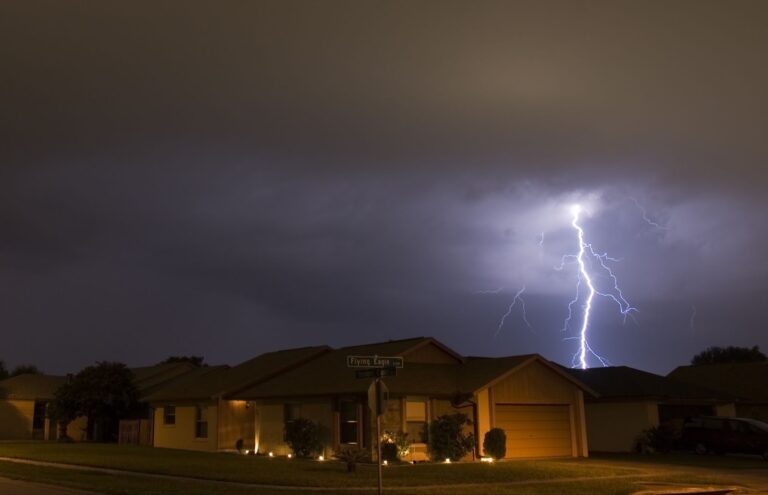
Florida's climate presents unique challenges for homeowners when it comes to roofing. From intense heat and humidity to hurricanes and heavy rainfall, these factors can significantly impact the lifespan and durability of roofing materials.
For instance, asphalt shingles may degrade faster under Florida's sun, while metal roofs can withstand severe weather conditions better. Homeowners should consider these elements when selecting roofing materials to ensure their investment is protected against Florida's diverse weather patterns.
Essential Roof Maintenance Tips for Florida Homeowners
Regular maintenance is crucial for extending the life of your roof and preventing costly repairs. Florida homeowners should schedule routine inspections, particularly after storm seasons, to identify and address any potential issues early.
Simple tasks such as cleaning gutters, removing debris, and checking for signs of wear can make a significant difference. Additionally, hiring a professional for annual inspections can help ensure that your roof remains in optimal condition, safeguarding your home from unexpected leaks and damage.
The Importance of Energy-Efficient Roofing Solutions
Energy-efficient roofing can lead to significant savings on energy bills, especially in Florida's hot climate. Reflective roofing materials can help reduce heat absorption, keeping homes cooler and reducing the need for air conditioning.
Homeowners can explore options such as cool roofs, which are designed to reflect more sunlight and absorb less heat, or energy-efficient shingles that offer better insulation properties. Investing in these solutions not only enhances comfort but also contributes to environmental sustainability.
Signs It's Time to Replace Your Roof
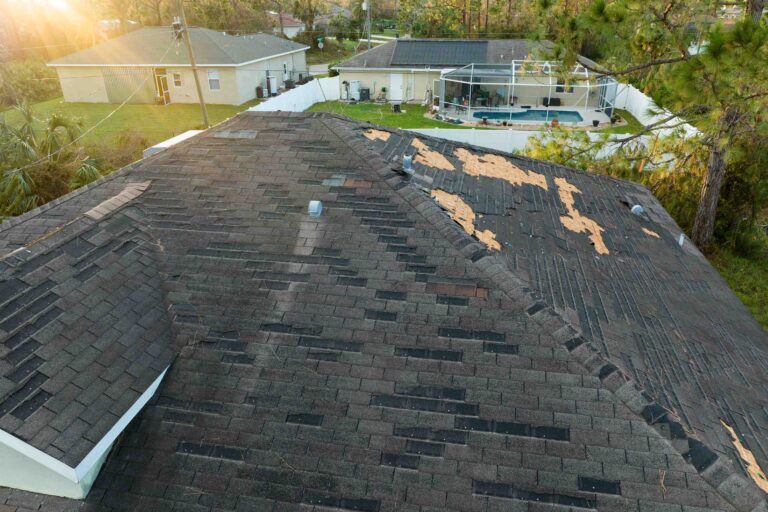
Knowing when to replace your roof is essential for maintaining the integrity of your home. Common signs include missing shingles, leaks, and visible wear such as curling or buckling. Homeowners should be vigilant, as these indicators often signal that a roof replacement is necessary.
Additionally, if your roof is approaching its expected lifespan—typically 20-30 years for asphalt shingles—it may be time to consider a replacement, even if no visible damage is present. Regular assessments can help you make informed decisions and avoid unexpected costs associated with roof failures.