
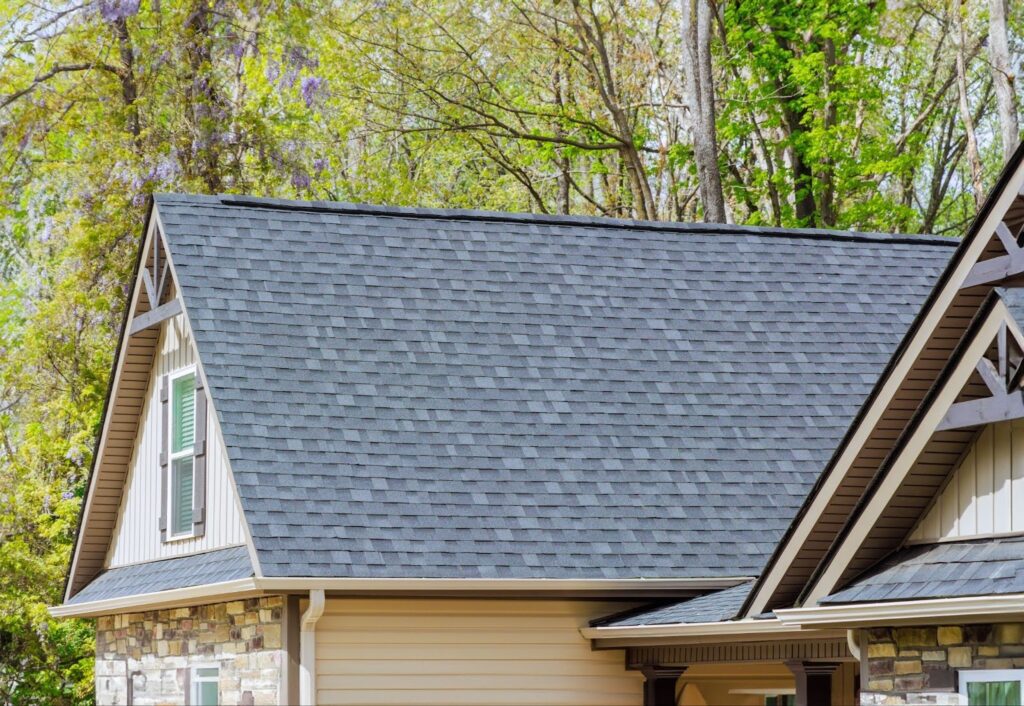
Florida’s climate is beautiful—but it can be tough on your roof. Between intense sun, heavy rain, high humidity, and hurricane-force winds, roofing materials often wear down faster than they would in other parts of the country.
If you’re a homeowner in Northeast Florida, understanding how long your roof should last can help you plan ahead, prevent costly damage, and make informed decisions about repairs or replacement.
The lifespan of a roof depends largely on the materials used, the quality of installation, and the amount of exposure it has to Florida’s harsh weather conditions.
Why Roof Lifespan Is Different in Florida
Roofs in Florida generally have a shorter lifespan than the national average due to the environment. Several factors accelerate wear and tear:
- UV exposure: Constant sun breaks down roofing materials over time.
- High humidity: Moisture can lead to mold, algae growth, and rot.
- Heavy rainstorms: Frequent storms can weaken shingles and flashing.
- Hurricanes and strong winds: Extreme weather can loosen or damage roofing materials.
Because of these conditions, regular inspections and maintenance are especially important for Florida homeowners.
Average Roof Lifespan by Material in Florida
Not all roofing materials perform the same in Florida’s climate. Here’s what homeowners can typically expect.
Asphalt Shingle Roofs
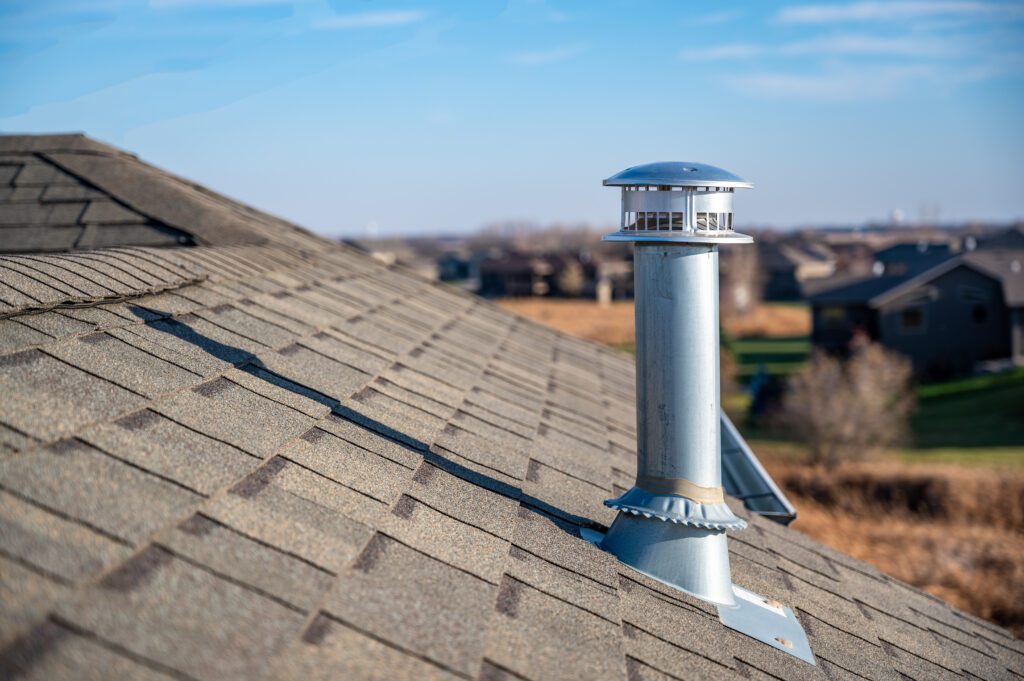
Average lifespan in Florida: 15–25 years
Asphalt shingles are the most common roofing material used on homes across the country because they are affordable, widely available, and adaptable to many roof styles. In Florida, however, the intense sun, salt air, high humidity, and frequent storms can shorten their lifespan compared to cooler regions.
Factors that affect shingle longevity include:
- Quality of the shingles
- Proper attic ventilation
- Installation quality
- Storm exposure and damage
Architectural shingles typically last longer and perform better than standard 3-tab shingles, making them a popular upgrade for homeowners looking for improved durability.
Metal Roofs
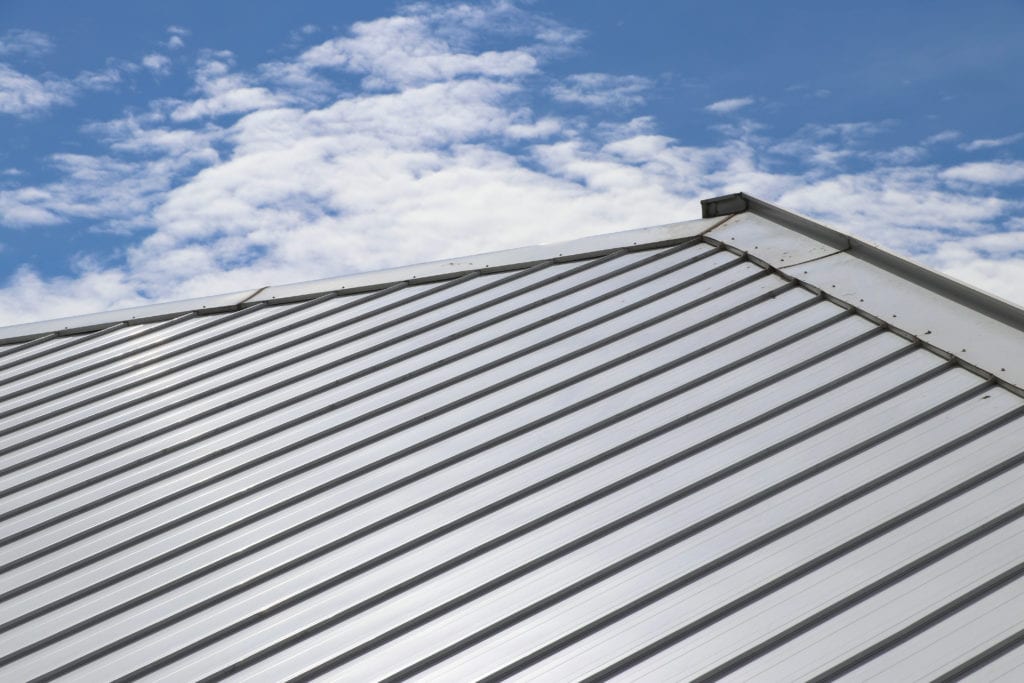
Average lifespan in Florida: 40–70 years
Metal roofing has become increasingly popular in Florida because of its durability and ability to withstand severe weather conditions. With the state’s intense sun, salt air, frequent storms, and hurricane risks, many homeowners are looking for roofing materials that can provide long-term protection and reliability.
Metal roofs are designed to perform well in these demanding environments and can last significantly longer than many traditional roofing materials when properly installed and maintained.
Metal roofs offer several advantages:
- Strong resistance to hurricane winds
- Excellent durability in extreme heat
- Energy efficiency due to reflective coatings
- Long lifespan with minimal maintenance
Although the upfront installation cost is typically higher than asphalt shingles, many homeowners choose metal roofing because of its longevity, reduced maintenance needs, and strong performance in Florida’s challenging climate.

Flat and Low-Slope Roofs
Average lifespan in Florida: 10–20 years
Flat or low-slope roofing systems are commonly used on commercial buildings as well as certain residential homes, such as home additions, garages, and modern-style homes. These roofing systems require specialized materials and installation methods designed to manage water drainage and withstand Florida’s heavy rain and humidity.
Common materials used for flat and low-slope roofing systems include:
- TPO roofing membranes
- Modified bitumen
- EPDM rubber roofing
- Built-up roofing systems
Because flat roofs do not shed water as quickly as pitched roofs, they can be more vulnerable to standing water and leaks if not properly maintained. Regular inspections, proper drainage systems, and timely repairs are important to keep these roofs functioning properly. With consistent maintenance and professional installation, flat roofing systems can provide reliable protection for many years.
Signs Your Roof May Need Replacement
Even if your roof hasn’t reached the end of its expected lifespan, certain warning signs may indicate it’s time to consider a replacement.
Common signs include:
- Missing, cracked, or curling shingles
- Frequent leaks or water stains on ceilings
- Granules collecting in gutters
- Soft or sagging areas on the roof
- Storm damage or lifted shingles
- Dark streaks or algae growth
If you notice any of these issues, a professional roof inspection can help determine whether repairs or replacement are needed.
How to Extend the Life of Your Roof
While Florida’s climate can be harsh on roofing materials, proper maintenance can help extend the life of your roof.
Homeowners can protect their roof by:
- Scheduling regular roof inspections
- Keeping gutters and roof valleys clear of debris
- Addressing small repairs quickly
- Maintaining proper attic ventilation
- Inspecting the roof after major storms
Routine maintenance helps catch minor problems before they turn into costly damage.
When to Schedule a Roof Inspection
If your roof is 15 years or older, it’s a good idea to begin monitoring its condition more closely. Annual inspections can help identify early signs of wear and prevent unexpected roofing issues before they become costly repairs.
Many Florida homeowners also schedule roof inspections after hurricanes or severe storms, when buying or selling a home, or if they notice leaks, water stains, or other signs of interior water damage. Catching potential problems early can help extend the life of your roof and save homeowners thousands of dollars in repair costs.
Protect Your Home with a Professional Roof Inspection
Every roof is different, and the true lifespan of your roof depends on the materials used, the quality of installation, and Florida’s unpredictable weather.
If you’re unsure about the condition of your roof, scheduling a professional inspection can help you understand what shape it’s in and whether repairs or replacement may be needed.
A trusted roofing contractor can evaluate your roof, identify potential issues, and help you make the best decision to protect your home.